 View Large
Root Canal Treatment (RCT)
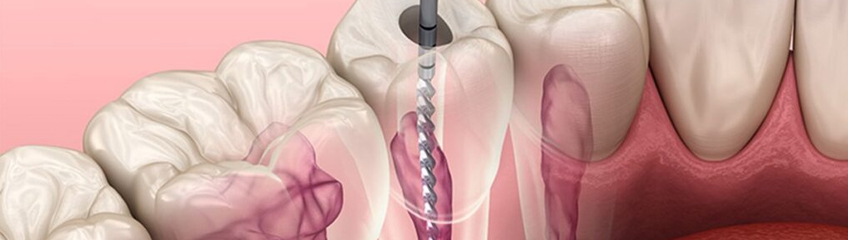
A root canal therapy involves extracting the diseased dental pulp from the centre of a tooth. Another name for it is endodontic therapy.
Every tooth has a canal system that extends from the root to the crown, or outer layer. A tooth can have four dental pulp-filled canals. Blood veins, nerves, and connective tissue comprise the tooth pulp.
The tooth’s infected or damaged dental pulp is extracted during a root canal procedure.
Following the removal of the pulp, the area is cleaned, sanitised, filled, and sealed.
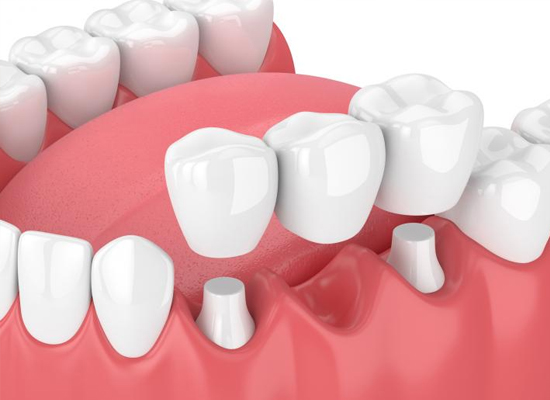
A filling or a crown may also be utilised to replace the chewing surface of your tooth.
Your normal dentist can do root canal therapy.
What do I need to do after a root canal treatment visit?
It’s critical that you attend every appointment for root canal therapy. Your molars, or chewing teeth, must be strong since they are subjected to a lot of pressure when you chew. Your tooth is better protected when you have a crown placed over it.
You can resume your regular eating and cleaning routine after the crown is placed.
Complications of a root canal treatment
Following the operation, you can have some soreness and swelling. Find out from your endodontist or dentist if you need to take painkillers.
After, your tooth can appear darker.
Though it may be vulnerable to cracking, the crown will help shield it.
What are the benefits and risks of a root canal treatment?
Your tooth should no longer hurt once the root canal procedure is finished.
Having a root canal allows you to preserve your natural tooth. Should your tooth be extracted, you could require additional care to replace it. Additionally, receiving a root canal treatment helps lessen the deterioration of your other teeth.
Appointments for root canal therapy may last up to an hour. A local anaesthetic will be required in order to ensure that you experience no pain during the treatment.
Ask your endodontist or dentist how much a root canal will cost.
What are the alternatives to a root canal treatment?
The alternative to receiving a root canal therapy for a severely damaged or infected tooth is to have the tooth extracted. Talk to your endodontist or dentist about your alternatives.