 View Large
Dental Fillings / Teeth Fillings
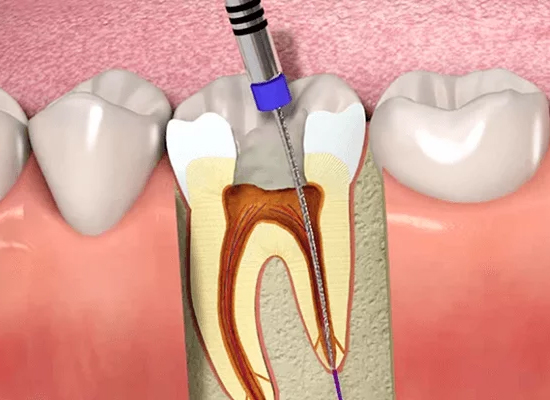
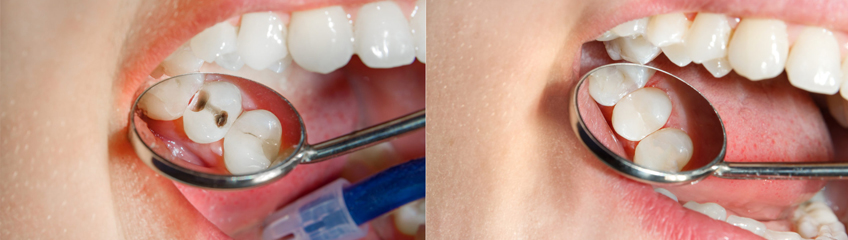
A dental restoration, also known as teeth gap filling, is a procedure that helps repair a decaying tooth. A cavity is created in a damaged tooth after it has been cleansed and prepared for a dental filling. The tooth can once again operate normally and have a natural appearance thanks to the filling procedure. Several types of filling are used to fill the hole, and the type used depends on the patient’s needs.
Depending on the circumstances, the quick procedure can be completed in a few sittings. The physician may first use a numbing gel, then use tools similar to a drill to make the hole where the filling needs to be inserted. Following the creation of the hole, the best kind of filler is chosen and applied. Finally, the final details are added to make the bite feel natural.
In the event that the teeth do not erupt into their proper positions, the patient will need to take extra precautions following the procedure.
Silver amalgam fillings
This filling is really well-liked. In addition to silver, silver amalgam filling also contains a mix of other minerals such as tin, zinc, copper, and mercury. It is a popular alternative because it is affordable compared to other options and is strong and long-lasting. A typical silver amalgam filling has a 12-year lifespan. Thanks to its malleability, it is easy for dentists to use.
It is not the ideal option for a visible tooth because of its primary cosmetic downside. Additionally, the material may expand and compress in response to temperature variations, shattering the tooth. Variations have the potential to open a space between the filling and the tooth, allowing food particles and germs to enter and cause new cavities. Silver amalgam is a controversial filler substance, although its safety has been deemed despite the mercury issue.
Composite fillings
Plastic and resin are used to generate composite fillings. When it is still soft, it is inserted into the tooth and exposed to a strong curing light. It is a popular choice since it can be made to blend in with the patient’s natural teeth, making it less noticeable than a silver amalgam filling. Furthermore, composite fillings do not endure as long as certain other kinds. They have a five to ten year lifespan, after which a replacement may be needed.
Ceramic fillings
Because porcelain is used in their creation, they are both aesthetically pleasing and long-lasting. Although ceramic fillings are more expensive than other fillings, they are more stain- and abrasion-resistant than composite resin and have a tooth-colored appearance.
Because ceramic filling is more fragile than composite, it must only be used in big cavities to avoid breaking. This is a downside. In order to accommodate the additional bulk, the dentist can widen the space.
Glass ionomer fillings
This filler is composed of a combination of acrylic and glass. They are typically applied to young patients whose teeth are still growing in. To prevent further tooth decay, they provide fluoride into the tooth. But because they are weaker than composite resin and will eventually wear out or shatter, they only last a few years. Ordinary glass ionomer lacks the natural appearance of composite resin.