 View Large
Advanced Gum Treatment
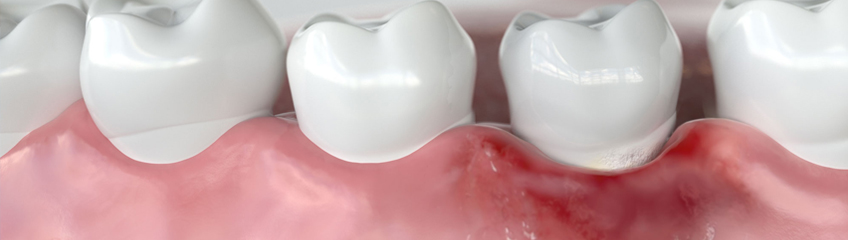
We do not have to lose teeth as we get older. We have a fair chance of keeping our natural teeth for the rest of our lives if we practise good oral hygiene and have frequent professional cleanings and exams. This entails taking care of the tissues that surround the teeth as well, such as the gums and bone that supports the teeth. Bacterial infections such as gum disease pose a hazard to these supporting tissues. For this reason, dentists are constantly searching for early warning indicators that patients could miss. Periodontal therapy may be recommended when problems start to show.
The objective of periodontal therapy is always to cure damaged tissues, however this can take many different forms. In the most extreme circumstances, gum (periodontal) disease may result in tooth loss as it can extend from the gums to the bone that supports the teeth. Scalings, or deep cleanings, which remove calculus (tartar) and plaque from under the gum line, and surgical regeneration of damaged gum and bone tissue are two very successful treatments for this.
Your Role in Periodontal Health
Periodontal disease is mostly caused by dental plaque, so it’s critical to remove it daily with thorough brushing and flossing. Scrubbing, which can actually cause your gums to recede, is not what this means. If you have any questions, we can show you the proper methods.
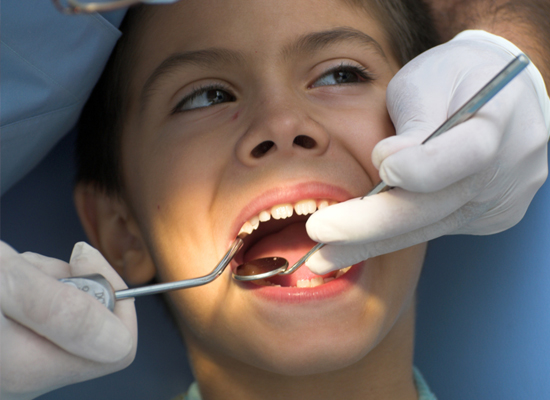
Naturally, some parts of the mouth are inaccessible to a toothbrush and floss, which is why it’s crucial to get frequent professional cleanings at the dentist’s office. Early indications of gum disease can also be found during your routine dental exam, even before you notice them.
Keep Your Gums Healthy With Periodontal Maintenance
Following periodontal therapy, it’s critical to maintain regular periodontal care to keep your gums healthy.
In addition to meticulous at-home care, which entails brushing and flossing at least twice a day, your periodontist might prescribe mouthwash or suggest in-office expert periodontal cleanings to look for problem areas and stop serious gum disease before it starts.
Your periodontist will surgically implant tiny bits of bone and growth factors to help accelerate bone growth during a bone grafting surgery.