 View Large
Dentures
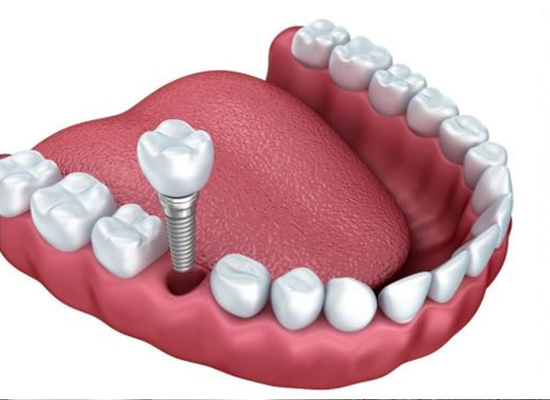
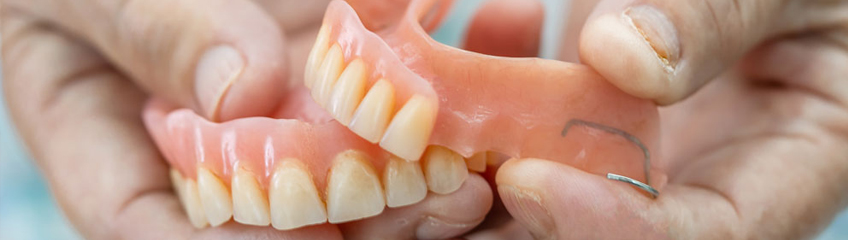
To restore lost or missing teeth, people wear dentures, which allows them to eat a nutritious diet and smile with confidence. Metal or acrylic (plastic) are used to make dentures.
A prosthesis that replaces every natural tooth in the upper or lower jaw is referred to as a “complete” or “full” denture.
The gaps produced by lost or missing teeth are filled up with a “partial” denture. It can be secured to your natural teeth using “precision attachments” or metal clasps.
Why should I wear dentures?
Complete dentures, which replace all of your natural teeth, slide over your gums tightly. They will boost your confidence and self-esteem and enable you to eat and speak more effectively.
Partial dentures can occasionally be supported by your remaining teeth in order to replace missing teeth. Teeth that are spaced apart may cause your other teeth to shift to fill the void, which could result in crooked or tilted teeth. This may damage your other teeth and have an impact on how you bite.
How soon can I have a denture after my teeth are taken out?
Usually, after your teeth are extracted, dentures can be fitted immediately. We refer to these as “immediate dentures.” In order for the dental staff to take measurements and imprints of your mouth, you will need to see them in advance.
You don’t have to go without teeth while your gums heal if you have instant dentures. But over time, particularly in the first six months following tooth extraction, bone and gums can recede. Your immediate dentures may need to be replaced, adjusted, or relined if your gums shrink. This can be discussed with you by your dental team.
Your dental staff may occasionally suggest delaying getting your dentures until after your gums have healed, as this may result in a better fit. It could take several months to heal.